Arena Sand 101: Washed vs. Unwashed Sand for Equestrian Footing

Comment

Arena Sand 101: Washed vs. Unwashed Sand for Equestrian Footing

Arena Sand 101: Washed vs. Unwashed Sand for Equestrian Footing

When building or maintaining an equestrian arena, the type of arena sand you choose directly impacts arena footing performance, safety, and long-term maintenance. Whether you are working with an indoor arena or an outdoor arena, understanding the difference between washed and unwashed sand is essential.

Although these two types of sand can look similar, they behave very differently under hoof and significantly influence equestrian footing quality, dust control, and stability.

What Is Washed Arena Sand?

Washed sand is processed using water to remove fine particles such as dust, silt, and clay. This results in a cleaner, more uniform material with a consistent grain size, making it a common choice for high-performance arena footing.

Benefits of Washed Sand for Arena Footing

Reduced Dust in Indoor and Outdoor Arenas
With fine particles removed, washed arena sand produces significantly less airborne dust. This is especially important for indoor arenas or equestrian facilities in dry climates.

Consistent Equestrian Footing Performance
Because it is free of excess fines, washed sand delivers more predictable and consistent arena footing, helping maintain performance across the riding surface.

Drawbacks of Washed Sand

May Require Footing Additives
Washed sand lacks natural binding properties, so it may require additives such as fiber, rubber (Reiten Right), or wax coatings to maintain cohesion and prevent shifting in the arena footing.

Moisture Dependency
Clean arena sand can become loose when dry, meaning proper watering is often necessary to maintain ideal equestrian footing conditions.

What Is Unwashed Arena Sand?

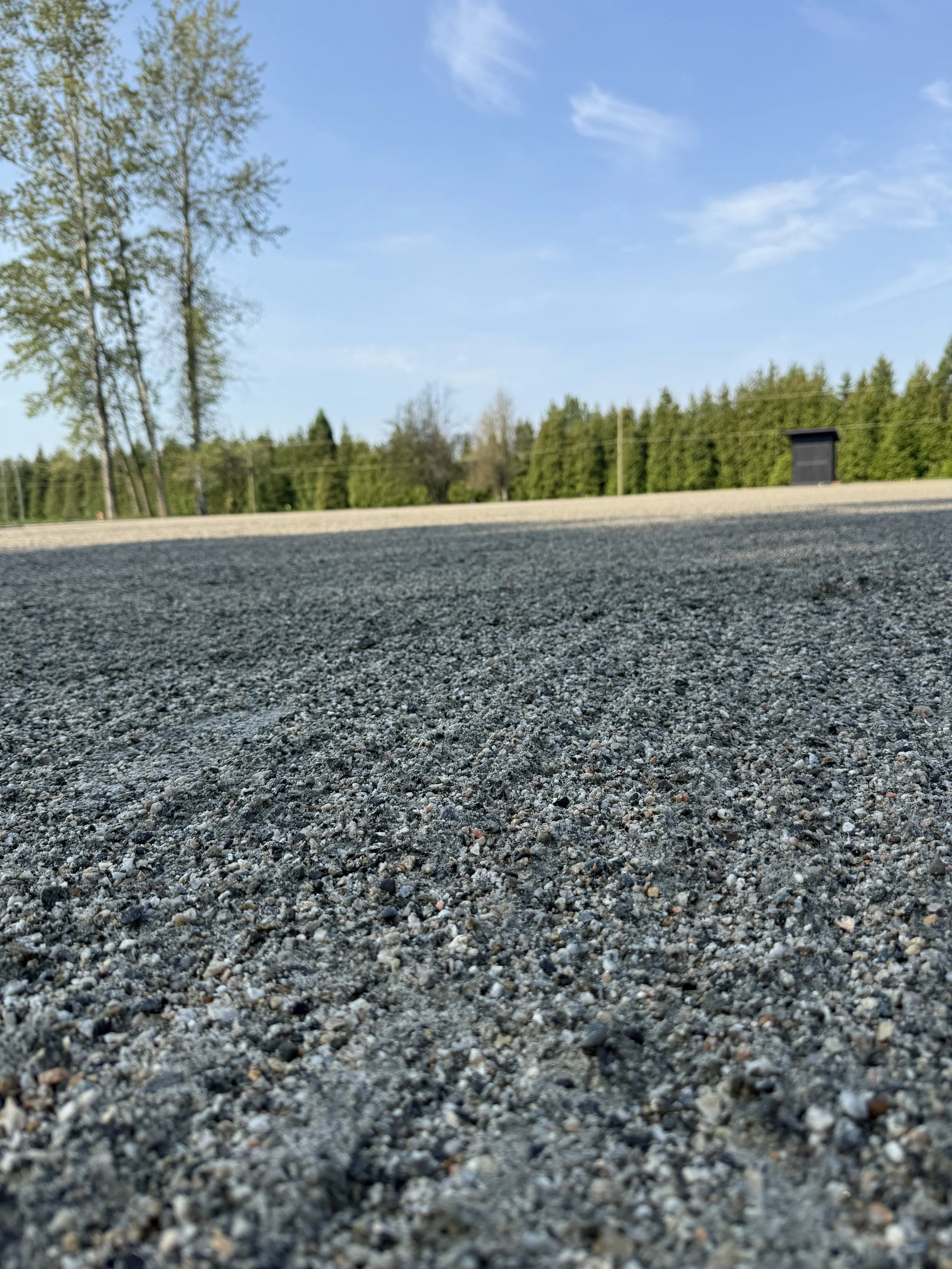
Unwashed sand retains natural fine particles, including clay, dust, and silt. This type of sand typically has more angular grains, which can influence how the arena footing performs.

Benefits of Unwashed Sand for Equestrian Arenas

Natural Stability and Binding
The presence of fines helps bind the sand together, creating a more compact and stable arena footing without necessarily requiring additives. The angular particles also contribute to natural stability.

Better Moisture Retention in Outdoor Arenas
Unwashed arena sand holds moisture more effectively, reducing how often you need to water your outdoor arena footing.

Drawbacks of Unwashed Sand

Higher Dust Levels
Fine particles can become airborne, increasing dust, especially in dry conditions or high-traffic equestrian arenas. This can be a concern for both indoor arenas and outdoor facilities.

Potential for Compaction
Over time, fines can shift or break down, causing the arena footing to pack in certain areas. This may require more frequent dragging to maintain quality. Rubber additives can help relieve this compaction issue.

arena sand footing

Dust Control in Arena Footing

Dust is a major factor in both indoor and outdoor arena design and maintenance, impacting horse and rider comfort.

  • Washed arena sand: Lower dust levels, especially when paired with proper watering or footing additives

  • Unwashed arena sand: Higher dust potential due to retained fine particles, which may increase over time

For indoor arena footing, washed sand or additional dust control measures are often preferred.


Stability and Performance of Arena Sand

The performance of equestrian footing depends heavily on sand type and maintenance:

  • Washed sand: Offers consistent, predictable footing when properly engineered, watered, and maintained

  • Unwashed sand: Provides natural stability and is useful for arenas without permanent watering systems or where water access is limited

Disciplines such as dressage and jumping often benefit from controlled and consistent arena footing performance.

Maintenance Requirements for Arena Footing

equestrian arena sand

Washed Sand Maintenance

  • Can become loose or shifty

  • Requires moisture management in indoor and outdoor arenas

  • May need additives for stability

  • Produces less dust

Unwashed Sand Maintenance

  • Often requires more frequent dragging

  • May need dust suppression strategies

  • Can compact and require loosening over time - rubber additives like ReitenRight can help relieve this type of issue

Choosing the Right Arena Sand

The best arena sand and footing solution depends on your facility, usage, and maintenance capabilities:

  • Choose washed sand if you want clean, consistent equestrian footing with minimal dust and are prepared to manage stability with watering and additives

  • Choose unwashed sand if you need natural stability, have limited access to water, and can manage higher dust levels and potential packing over time

Final Thoughts on Equestrian Footing

Selecting the right arena sand for your indoor arena or outdoor arena is a long-term investment in horse safety and performance. The effectiveness of your arena footing depends not only on the sand type but also on installation, maintenance, climate, and usage.

Well-designed and properly maintained equestrian footing ensures optimal performance and supports the longevity of your arena.

Comment

Common Types of Horse Arena Footing: A Complete Guide to Choosing the Right Surface

Comment

Common Types of Horse Arena Footing: A Complete Guide to Choosing the Right Surface

Choosing the Right arena footing for Your Equestrian Facility

Choosing the right arena footing is one of the most important decisions for horse owners and facility managers. The footing you select directly affects your horse’s performance, safety, maintenance costs, and long-term durability of your arena.

In this guide, we’ll break down the most common arena footing materials, explain how popular arena footing additives work, and help you understand how to choose the best solution for your specific needs.

What Is Arena Footing?

Arena footing refers to the top riding surface in a horse arena, the material horses travel on during training, competition, or exercise. Ideal footing provides:

  • Consistent traction

  • Proper shock absorption

  • Good drainage

  • Minimal dust

  • Long-term durability

The best footing balance depends on climate, discipline, and maintenance practices.

Common Arena Footing Components

Most horse arena surfaces are built using a combination of:

  • Base layer (stone or compacted material for drainage and stability)

  • Top footing layer (sand or other primary material)

  • Additives (fiber, rubber, wood, or chemical stabilizers)

Your geographical region often determines which materials are available and cost-effective. Common footing materials include:

  • Sand

  • Wood products

  • Stonedust

  • Rubber


Sand: The Foundation of Arena Footing

Sand is the most widely used arena footing material and for good reason. It’s affordable, readily available, and highly versatile.

Advantages of Sand Footing

  • Cost-effective and accessible

  • Works as a standalone footing or base for additives

  • Provides good drainage

Challenges

  • Dries quickly and becomes dusty

  • Can requires regular watering

  • Can become unstable depending on composition

Key Sand Characteristics

Understanding sand composition is essential for optimal performance:

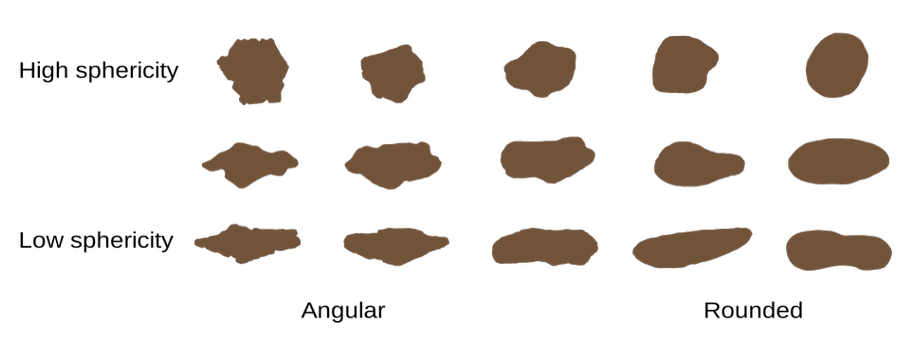
1. Sphericity

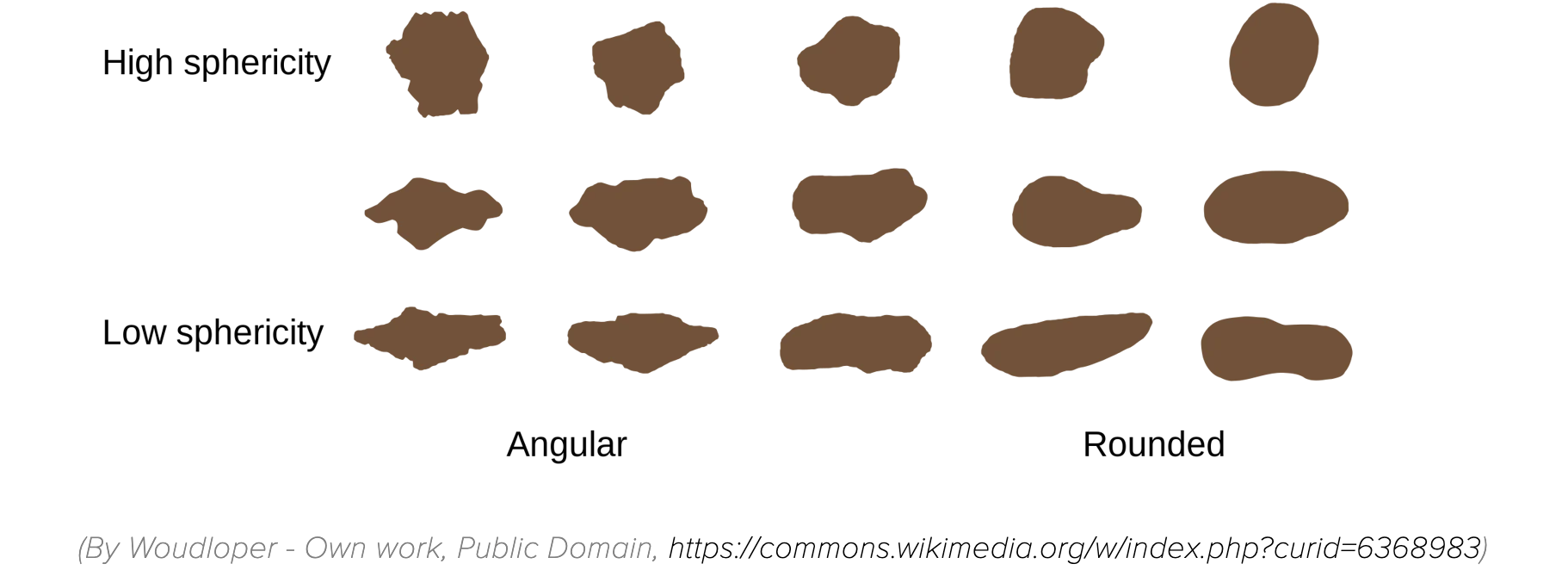
  • Rounded sand particles move easily

  • Too round = unstable, shifting surface

2. Angularity

  • Angular grains interlock for better stability

  • Higher angularity reduces “shiftiness”

3. Grain Size Distribution

  • Coarse sand drains well but may not bind

  • Fine particles (silt/clay) can cause compaction and dust

Arena Sand Particle Characteristics

A sieve analysis is the best way to determine whether your sand has the right balance for arena footing.

Need to evaluate your arena sand and get some guidance? Reach out to us to get a Sand Analysis

Key tip: Sand labeled the same name may differ significantly by region—always verify composition before purchasing.


Organic & Wood Products: Natural Cushioning

Wood footing—including chips and coarse sawdust—can be used alone or mixed with sand.

Benefits

  • Provides excellent cushioning

  • Helps retain moisture

  • More affordable than some alternatives

Downsides

  • Breaks down quickly and needs replacement

  • Availability varies by region

Safety note: Avoid walnut and black cherry wood, as they are toxic to horses. Always source from trusted manufacturers specializing in horse arena footing.


Stonedust: Stable but Maintenance-Heavy

Stonedust includes:

  • Decomposed granite

  • Limestone screenings

  • Bluestone

  • White stone

Benefits

  • Low cost

  • Stable and firm surface

  • Good drainage properties

Challenges

  • Requires careful maintenance

  • Dries out and becomes hard

  • Needs frequent watering

  • Stonedust performs best when combined with additives like rubber to reduce compaction and improve cushioning.


Textile & Fiber Additives: Stability and Performance

Fiber and felt additives are commonly mixed with sand to enhance footing stability.

How They Work

Fibers act like a binding agent:

  • Sand particles cling to fibers

  • Creates a more structured, stable surface

Benefits

  • Improved traction and consistency

  • Reduced surface movement

  • Ideal for performance disciplines

Considerations

  • Can become too compact over time

  • Increased concussion risk if not maintained

  • Often made from synthetic or recycled materials (environmental concerns)


Rubber Additives: Cushion and Elasticity

Rubber footing additives are popular for improving shock absorption and reducing compaction.

Benefits

  • Excellent cushioning for hooves

  • Helps footing “bounce back”

  • Reduces compaction in sand or stonedust

  • Retain Water (Only with open-cell)

Types of Rubber

1. Open-Cell Rubber - ReitenRight Footing

  • Retains moisture

  • Stays flexible in cold climates

  • Adds cushioning

  • Relieves Packing

2. Closed-Cell Rubber

  • Tends to float and separate

  • More affected by weather

3. EVA Foam

  • Lightweight, cushioning material

  • May lack consistency depending on source

4. Crumb (Tire) Rubber

  • Lower cost

  • Can migrate out of footing

  • May freeze in cold weather

  • Potential environmental and health concerns

Always ensure rubber additives are free from contaminants like metal fragments.


Organic Dust Control: Magnesium Chloride

Magnesium chloride is a common dust-control additive.

Benefits

  • Reduces airborne dust

  • Helps retain moisture

Limitations

  • Washes away with rain

  • Best suited for indoor or dry climates

  • Not a solution for poor-quality or worn-out sand


How to Choose the Right Arena Footing

Selecting the best horse arena footing depends on several factors:

1. Climate

  • Dry regions: prioritize dust control (fiber, open-cell rubber, magnesium chloride)

  • Cold climates: avoid materials that freeze (rubber)

2. Discipline

  • High-performance riding: fiber and rubber blends for stability and cushion

  • General riding: sand with moderate additives

3. Maintenance Capacity

  • Low maintenance: invest in high-quality sand + additives (rubber is the best low maintenance additive)

  • High maintenance: basic sand may suffice

4. Budget

  • Sand: most affordable base option

  • Additives: increase upfront cost but reduce long-term issues


Final Thoughts: Building the Ideal Arena Surface

The best arena footing isn’t just one material, it’s a carefully balanced system.

Most successful arenas combine:

  • High-quality arena sand

  • The right additives (fiber, rubber, or wood)

  • Consistent maintenance practices

Before committing, consider testing materials or requesting samples. A properly designed footing system improves horse safety, performance, and longevity of your arena investment.

Key Takeaways

  • Sand is the foundation of most arena footing systems

  • Additives enhance performance by improving stability, moisture retention, and cushioning

  • Material choice depends heavily on location and use

  • Proper analysis and maintenance are critical to long-term success

FURTHER RESOURCES

Comment

Horse Arena Base 101: How to Build a Solid Foundation for Safe, Consistent Footing

Comment

Horse Arena Base 101: How to Build a Solid Foundation for Safe, Consistent Footing

How to Build a Solid Foundation for Safe, Consistent Footing

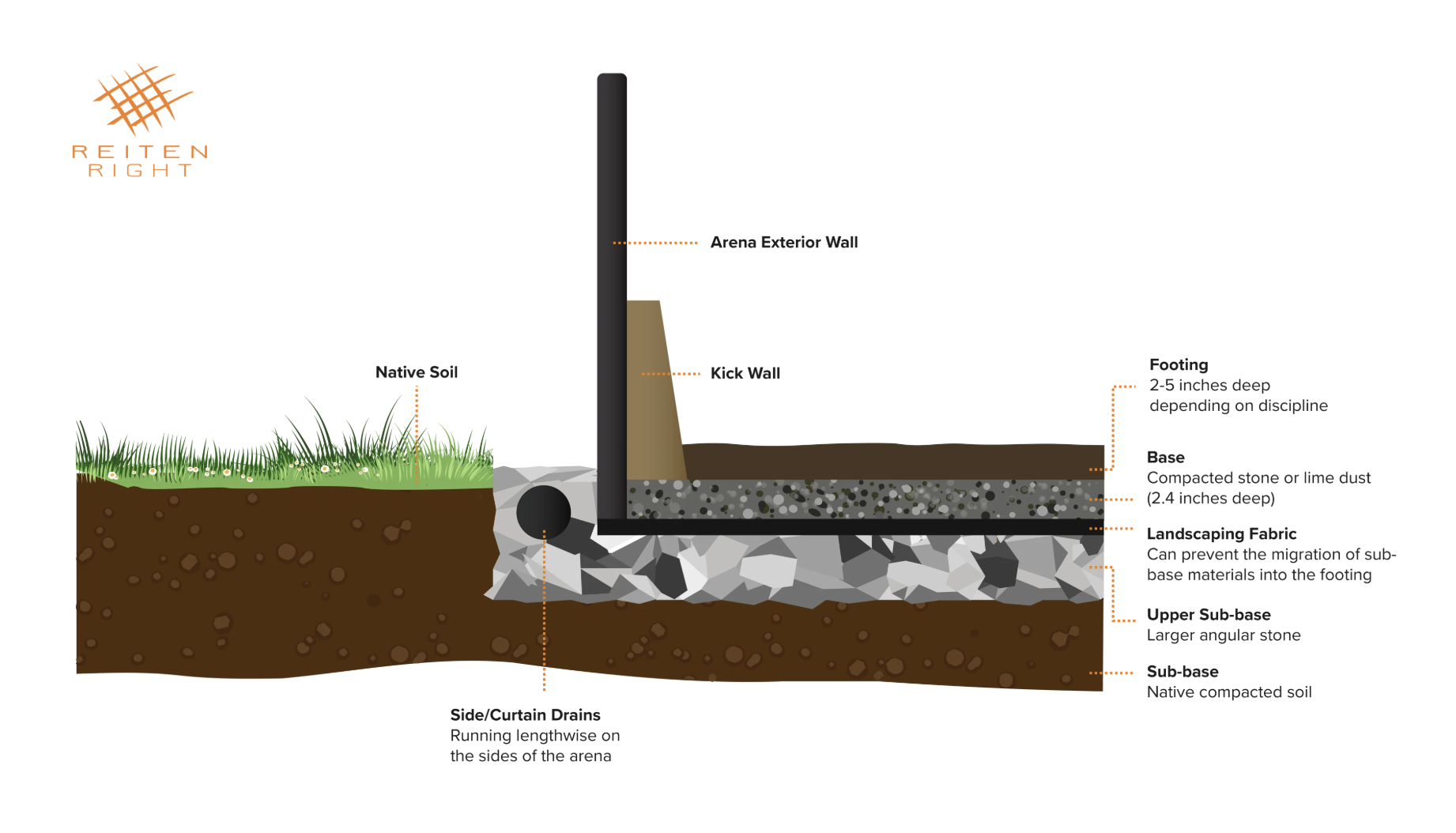
When planning a new riding arena, it’s easy to focus on the footing, the surface your horse rides on every day. But before any footing is installed, the arena base must be built correctly. A well-constructed base is the foundation of a safe, consistent, and long‑lasting riding surface. Cutting corners at this stage can lead to costly repairs, uneven footing, and potential soundness issues for horses.

Work With an Experienced Arena Contractor

One of the most important decisions you’ll make is choosing the right contractor. Not all excavation or construction professionals understand the unique demands of a horse arena. Ideally, your contractor should have direct arena experience and take the time to understand how the space will be used.

A knowledgeable contractor will:

  • Build directly on properly prepared native material

  • Install layered stone or lime dust sub‑bases

  • Compact each layer thoroughly to prevent breakdown

  • Design the base to support footing performance while allowing for drainage

Local knowledge is especially valuable. Soil conditions, climate, and material availability all influence how deep the site should be excavated and which materials will perform best. While it’s important not to skimp on materials, trucking costs can rise quickly when moving multiple tons of stone and an experienced contractor can help strike the right balance.

Why the Base Matters So Much

Fixing a poorly built base is expensive. In most cases, the footing must be completely removed to correct base issues, dramatically increasing both cost and downtime.

The base is the literal and figurative foundation of your arena. A solid base allows footing materials to perform as intended. If the base is soft, unstable, or begins to migrate upward into the footing, the riding surface becomes inconsistent and unsafe.

The ideal arena base is:

  • Hard and well compacted

  • Uniform across the entire arena

  • Durable enough to resist breakdown over time

When the base is inconsistent, horses are forced to compensate as the surface reacts unpredictably beneath them. This can affect balance, confidence, and long‑term soundness. A properly built base ensures that horses experience the same ride quality in every part of the arena.

Drainage: One of the Biggest Arena Challenges

Poor drainage is one of the most common and frustrating problems arena owners face. Beyond increasing maintenance, inadequate drainage leads to uneven footing, flooding, and safety concerns for both horses and riders.

Arena Location Matters

Whenever possible, an arena should be built on higher ground. Elevation allows water to drain naturally away from the riding surface rather than pooling underneath it.

Choosing the Right Slope

Proper slope is essential for directing water away from the arena:

  • A slight crown (about 1–1.5° sloping from the center outward) is a common and effective solution

  • A consistent slope in one direction (typically lengthwise) can also achieve good runoff

Both approaches prevent standing water and protect the integrity of the base and footing.

Managing Water in Challenging Conditions

In areas with high water tables or poorly draining native soil, additional drainage solutions may be necessary, including:

  • French drains or perimeter drainage systems

  • Side curtains to carry runoff away from the arena

  • Sub‑footing drains installed beneath the base

Geotextile fabric is often used in these situations to prevent fine materials from leaching into drainage systems. While this adds upfront cost, it significantly reduces the risk of long‑term flooding and structural failure.

Key Components of Arena Footing

Precision Leveling Is Non‑Negotiable

Once the base layers are installed, final leveling is critical. Your contractor should use proper equipment to ensure the base is perfectly level and set to the correct slope or crown before any footing is added.

Skipping or rushing this step can result in:

  • Uneven footing depth

  • Water pooling

  • The need to remove and reinstall footing later

Getting the base right from the beginning prevents costly corrections down the road.

The Relationship Between Base and Footing

Footing is the most visible and most talked‑about component of a riding arena, and for good reason. Proper footing plays a major role in the long‑term soundness and performance of horses, riders, and trainers.

However, even the best footing materials can only perform well when supported by a solid base. When base, drainage, and footing are designed to work together, arena owners benefit from:

  • Consistent ride quality

  • Reduced maintenance demands

  • Improved longevity of footing materials

Choosing the right footing depends on many factors, including material availability, cushion, grip, drainage, durability, and environmental impact. The right combination leads to years of healthy, high‑performance riding.

Build It Right the First Time

A good horse arena base isn’t glamorous but it’s essential. Investing time, expertise, and resources into proper base construction pays off through safer footing, fewer problems, and a better experience for both horse and rider.
When the base is built correctly, the footing can truly shine and your arena will perform as it should for years to come.

Comment

Understanding Your Footing, The Difference Is In The Details

Comment

Understanding Your Footing, The Difference Is In The Details

The sand in your arena is one of the most important decisions you make when it comes to footing performance, longevity, and horse soundness.  Your sand is the foundation of the arena surface and understanding your sand composition and how different elements like climate, drainage and maintenance play a critical role to creating and maintaining a safe, high-performance surface.

Arena footing issues such as dust, compaction, poor drainage, or inconsistent ride quality are often traced back to the sand itself. When these problems occur it’s helpful to get an arena footing sand analysis to review your current sand and what changes and adjustments can be made to correct these concerns.

How Sand Composition Affects Arena Footing

Sand performance is influenced by three key characteristics: particle size distribution, angularity, and sphericity.

  • Particle Size (Gradation): Well-graded sand provides stability while maintaining air space for drainage and cushion. Sands that are too fine can create more dust and feel unstable dust, while overly coarse sands can feel compact and be unforgiving. It’s important to have a good gradation of these particles.

  • Angularity & Sphericity: Angular particles improve traction and grip, combined with low sphericity will stabilize your riding surface. High sphericities combined with rounded particles can often create a loose and unstable surface. The best arena sand balances these properties to support responsiveness without excessive firmness.

Together, these factors determine how your footing handles cushion, traction, dust control, drainage, and energy return.

Sand Behavior in Different Climates

Climate plays a major role in how arena sand performs over time.

  • Dry climates may struggle with dust and moisture loss.

  • Cold climates can experience compaction and freezing if sand retains excess water.

  • Wet or humid regions require sands that drain efficiently to prevent puddling and hard spots.

Understanding how your climate and arena location effects your sand performance helps guide both material selection and maintenance practices.

Drainage: A Critical Part of Arena Performance

Proper drainage keeps your footing consistent and rideable. Poor drainage can lead to footing issues with:

  • Standing water and puddles

  • Dust as the surface dries unevenly

  • Rapid compaction and uneven depth

Drainage is influenced by sand gradation, base construction, and overall arena design, making it a key focus of any arena footing sand evaluation.

Maintenance for Long-Term Footing Performance

Even the best arena sand requires curated scheduled care. A structured maintenance plan including grooming schedules, watering practices, and periodic leveling and assessments and investments in grooming tools, protects your investment and extends footing life.

Over time, many arena owners choose to enhance performance with footing additives, which can help improve cushion, moisture retention, and resistance to compaction when paired with the right sand.

Footing Guide Tools

🔍 Sand Analysis
A professional sand analysis evaluates particle size, shape, and performance characteristics to determine if your footing is optimized or if changes could improve ride quality and reduce maintenance.

📘 Sand Selection Guides
Educational sand guides help arena owners understand how different sands perform and what to look for when sourcing or upgrading footing materials.

Footing Additives
When used correctly, additives can enhance sand performance by improving cushion, moisture retention, and longevity, especially in high-use arenas. Additives, as like sand, also require maintenance and top-ups and different additives require different levels of maintenance.

The best sand for equestrian arenas isn’t one-size-fits-all. Performance depends on sand composition, climate, drainage, and ongoing maintenance. Investing in proper sand selection and understanding how these elements support long-term results can help you achieve lower long term maintenance costs and support soundness.

Comment

Improving Arena Footing with an Additive: The Benefits of Natural Rubber for Equestrian Footing

Comment

Improving Arena Footing with an Additive: The Benefits of Natural Rubber for Equestrian Footing

Why Additives Matter: Enhancing Arena Sand Footing with Natural Rubber

Your arena footing is more than just the ground beneath your horse’s hooves, it’s the foundation of performance, safety, and long-term soundness. While sand remains a popular and accessible footing material, relying on sand alone can lead to issues over time such as compaction, dust, and uneven wear. That’s where footing additives come into play.

Why Add an Additive to Your Equestrian Sand Footing?

Sand is an excellent base, but it has limitations. Without support, it can compact too tightly, dry out quickly, or shift unevenly underfoot. Additives help improve the performance and soundness of your horse and support longevity and consistency of your footing by:

  • Improving Cushion and Shock Absorption: Reducing concussion on your horse’s joints and soft tissues.

  • Enhancing Moisture Retention: Keeping dust down and the surface uniform even during dry spells.

  • Increasing Traction and Stability: Helping prevent slippage while maintaining appropriate give.

  • Extending Longevity of the Arena Surface: Less breakdown means fewer footing replacements and reduced maintenance costs.

Among the many options on the market; fiber, textiles, and natural rubber is rising as a standout choice.


The Benefits of Natural Rubber as a Footing Additive

Natural rubber, especially from high-quality recycled sources like athletic mats, like ReitenRight offer a host of benefits:

Open-Cell Structure

Unlike many synthetic rubbers or foams, natural rubber with an open-cell structure compresses and rebounds, offering better energy return and impact absorption. It works with your horse’s movement, not against it.

Chemical-Free and Next-Life Solution

ReitenRight is derived from a natural rubber which is free from harsh additives like PVC or phthalates, and carcingens. It’s safe for horses and riders and gives new life to recycled materials.

Superior Moisture Retention

Natural rubber helps sand retain water longer, reducing the need for constant watering and minimizing dust, which is better for both respiratory health and visibility.

Durability That Blends Well

Unlike crumb rubber that can float or shift, our additive is designed to stay mixed evenly within your sand, requiring less frequent grooming and maintaining a consistent surface.

Low Maintenance, High Performance

Compatible with all standard drags and harrows, it integrates easily into both new and existing arenas, whether indoor or outdoor.


Why Quality Footing Matters

ReitenRight Arena Additive

Footing affects everything from your horse’s comfort and performance to their long-term joint health. It also influences how much time and money you’ll spend on maintenance. Choosing the right additive like natural rubber means investing in a footing system that works as hard as you do.

Whether you're schooling dressage, jumping courses, or enjoying a hack in the arena, consistent, cushioned footing gives both horse and rider the confidence to train and perform their best.


Ready to elevate your arena? Natural rubber might just be the upgrade you’ve been looking for. Reach out to learn more about how our eco-friendly additive can transform your arena into a safer, more supportive space for you and your horse.

Comment

The ReitenRight Difference

Comment

The ReitenRight Difference

When researching which additive is ideal for your arena there are a few things to keep in mind. The type of sand you plan to use or currently have, how much maintenance is required (including watering or specific equipment required for grooming), and the climate are just a few factors to consider.


What is ReitenRight?

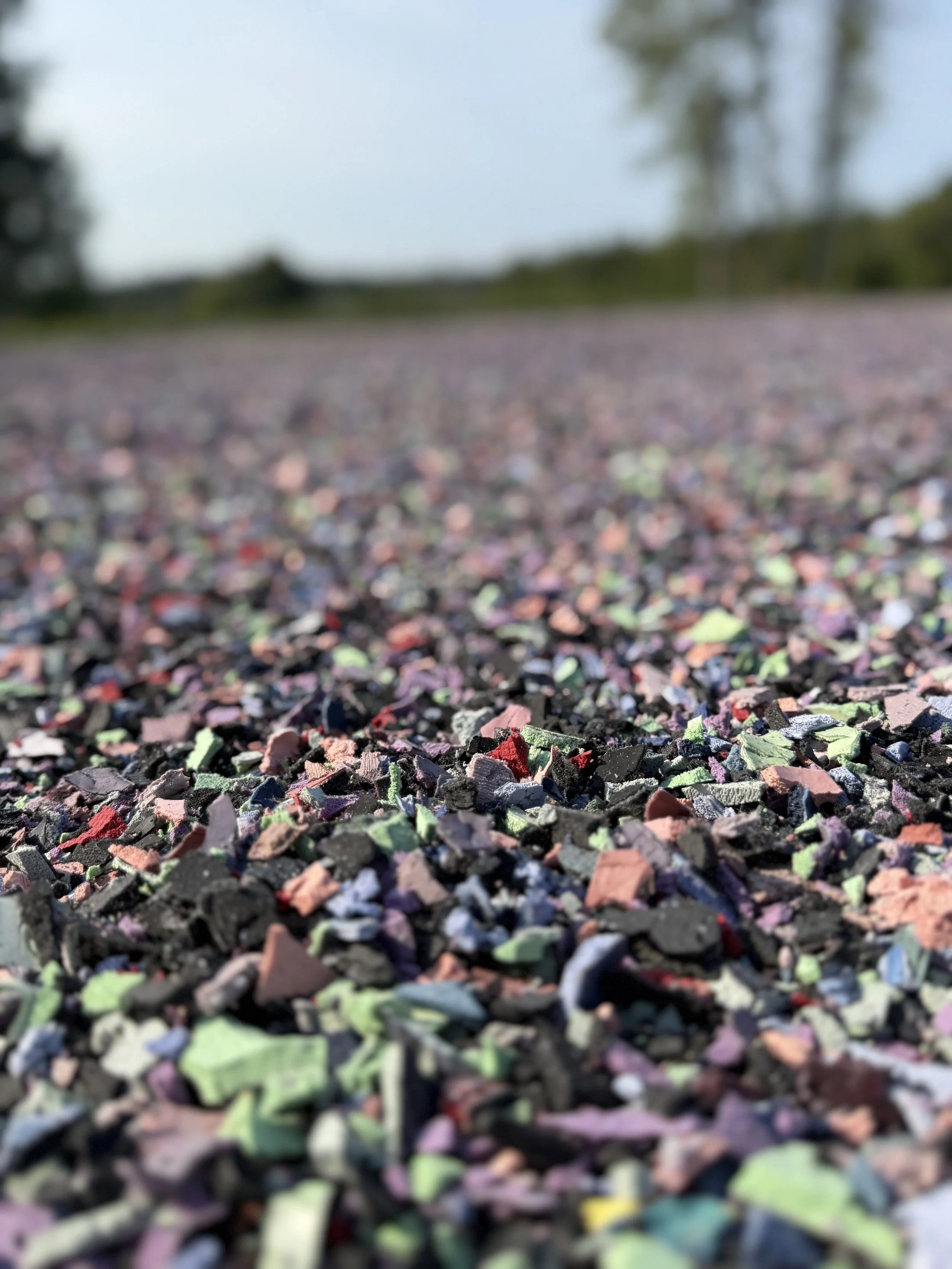
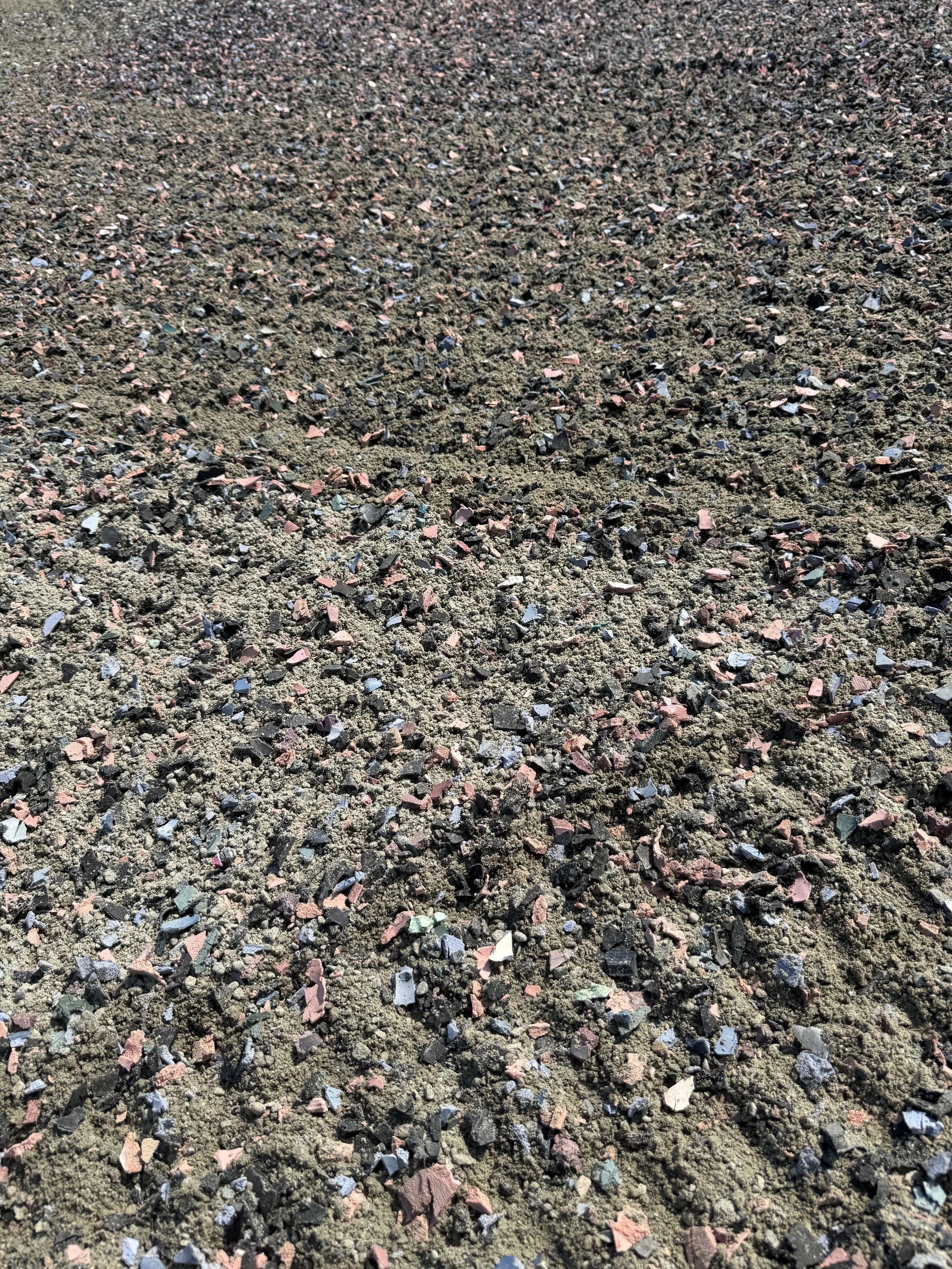
ReitenRight is made from all natural rubber yoga mats, a premium material to create premium footing. The open cell rubber is structured to retain moisture helping to reduce dust and frequency of watering, while significantly increasing the cushioning and overall energy return to your footing. This high performance footing, unlike many options in its class, is a low maintenance additive with simple upkeep and install, with the ability to be used with any type of harrow or drag.

ReitenRight is compatible with a wide variety of sands and footing combinations. ReitenRight can be a great solution for your arena if your current sand has little to no cushion, a tendency to pack, or needs help controlling dust. With it's open-cell properties, ReitenRight allows your sand to have a little space in between preventing it from packing and bringing new life back into an older sand without having to replace it. If adding ReitenRight to a new build, you will ideally want to use an angular sand in a medium particle size. Choosing a sand with a good amount of traction and stability on its own is key, as ReitenRight, being a rubber additive, will not bind a fine/loose sand, but it will supply a great deal of cushioning and energy return. We recommend our clients to download our Sand Guide to better help navigate and inform them of sand options and abilities.

What sets ReitenRight Arena Footing apart from other rubber additives?

When most people think of a rubber additive, they think of old school crumb rubber which is a black closed cell rubber made from tire regrind. Crumb rubber does help increase the cushioning to sand, however being closed cell it has limited abilities and will not aid in dust control or water retention. Crumb rubber does contain carcinogens which as it begins to breakdown can be quite toxic and will require top-ups on a more frequent basis.

When comparing ReitenRight to other foam/ rubber additives keep in mind although they may look similar, they differ in abilities and price for many reasons.

Most are aware ReitenRight is a colourful additive; which at first glance, may look similar to other foam additives on the market, and while the material used sounds similar, they preform quite differently. 

ReitenRight is made from high grade open cell yoga mats and differ from other foam additives that are closed cell and EVA based. In terms of performance, ReitenRight holds the unique ability to retain moisture and unlike lighter EVA based rubbers it can stay better blended within your sand.

We put it to the test with EVA rubber on the left and ReitenRight on the right. The weight and open celled structure allows ReitenRight to stay submerged in the water and avoid floating to the top, which can be important when footing is outdoors and exposed to the elements.

How does ReitenRight and Fibre compare and/or complement each other?

ReitenRight and Fibre additives are two very different additives but can work extremely well together! Fibre is meant to bind to create stability and traction while ReitenRight is meant to supply cushioning, energy return and water retention. It also has the ability to help with compaction in fibre arenas, which can have a tendency to pack and become too tight or sticky over time, causing unnecessary stress on the horse’s tendons/ligaments and joints. Instead of removing the footing and starting fresh which is very costly many customers have chosen to add ReitenRight to their existing fibre arenas to correct those issues.

We have had wonderful feedback from clients who have added ReitenRight to their arenas. Curious to learn more about the complimentary combination? Hear some testimonials from Christine Traurig and Guy McElvain.

Comment

Pilates for Equestrians

Comment

Pilates for Equestrians

ReitenRight client, Sandra Verda Zanatta is not only a High-Performance Coach and Grand Prix competitor but is also the owner and founder of Fit to Ride Pilates for Equestrians. F2R Pilates is an excellent total body workout that focuses on core strength and stability while addressing symmetry, flexibility, coordination and balance.

In my Pilates studio it is important to provide clients with a safe, comfortable space allowing them to improve their posture and alignment to promote correct, functional body mechanics; the same goes for my horses training environment. It is imperative to have a safe, functional surface for my horses to work on. For this reason, I added ReitenRight to my existing sand. The result was improved shock absorption and just the right amount of grip and stability. These qualities allow my horses to train comfortably and confidently resulting in correct muscle development, improved balance and self-carriage.
— Sandra Verda Zanatta
IMG_8559 2.jpg

Sandra Verda Zanatta and Wilhelm

Here are some of Sandra’s top exercises for Equestrians!

Foam Roller Balance:

IMG_7048+%281%29.jpg

Lay flat on the foam roller, knees bent and feet flat on the floor. Relax your neck and shoulders, take a few deep breaths and when you exhale draw your bellybutton in slightly towards your spine to engage your core, then extend your arms up. Inhale, bend elbows and repeat.

Once you feel stable, lift one leg. When the leg lift feels solid and you can maintain balance then extend arms at the same time as your leg lift. Repeat on the other side.

IMG_7053.jpg
IMG_7044+%281%29.jpg

Ball sit with a resistance band

IMG_7057.jpg

Focus on your posture and sitting equal on your seat bones. Put a flex band around your back and extend both arms forward while sitting tall and connecting your core (draw bellybutton towards spine). Keep your shoulder blades flat and your back in a neutral position when you extend elbows. As you extend your arms forward you should feel your core engage more. Adjust the tension on the band as needed.

One Leg Standing Balance

IMG_7122.jpg

Stand on one leg with your knee slightly bent, close hip angle while keeping hips square and draw your bellybutton in. When you feel balanced and stable- exhale and keep your core engaged while extending one leg back and reaching both arms forward. Hold that position for 5 seconds then return to starting position and repeat.

For more information about Sandra and the programs offered please visit www.fit2ride.ca

Comment

Surviving Winter with Horses

Comment

Surviving Winter with Horses

As we approach winter and all its challenges that present themselves when caring for horses like freezing temperature, endless rain, snow, mud and all the other joyful factors that come into play, here are some tips to hopefully help you through it!

Clothing Essentials:

Riding in the winter can prove to be a challenge even for the lucky ones with access to an indoor arena. Working long hours in the freezing cold can seriously make you question why you chose this a profession or hobby and didn’t take up an easier (indoor) sport.

Fleece lined breeches are a worthwhile investment; if you are prone to Chillblains like I am you will not regret the investment when temperatures plummet. Pikeur and Eurostar are my personal picks! If having specific winter breeches is out of reach invest in some very good thermals: Under Armour has some really nice ones that fit very well under breeches without breaking the bank.

Along with your fleece lined breeches, good winter gloves are an absolute must! LeMieux makes an amazing winter glove you can actually ride in without feeling like you are about to go skiing. If the temperatures are especially grim, I will put hand warmers in my gloves; you can buy a jumbo box from Costco (they are also great in your boots!).

hand warmers.jpeg

Heated jackets! Milwaukee makes a battery-operated heated jacket which has made a world of difference for coping in the extreme cold. The jacket has a low and high setting that distributes heat throughout the back, collar and front pockets. The battery fits into a pocket in the back of the jacket; the battery will last about 4 hours on the high setting and around 6 hours on the low setting. I purchased an extra battery so that I can have a charged extra one on hand, I personally use my jacket on the high setting for the majority of the day and turn it to low or off while I am riding. The battery is a little bulky in the back pocket so I would not suggest riding with it on your semi-wild (or very wild) ones.

Heated jacket.jpeg

In the Barn:

Solariums are wonderful to keep your horses warm while grooming before and after your ride but for most barns they are not in the budget. We do not have a solarium, but a heated blanket works wonders as well! I found a very large one at HomeSense for $30 CAD, not to mention it is also amazing to wrap around yourself while teaching. Another option is electric patio heaters, they can provide a decent amount of heat with a very low purchase price. The one pictured can be found on Amazon while other replicas can be seen in stores such as Home Depot or Rona.

heater.jpg

Winter Footing care:

If you are in an area where your footing is prone to freezing in the Winter months there are a few things you can try to prevent it or at least prolong the riding season. Applying Magnesium Chloride will help prevent freezing as it pulls moisture from the air and footing. This reduces the temperature at which your footing would start to freeze at.

ReitenRight is a very effective additive for providing cushioning and energy return but the additive itself also does not freeze. This will help prevent your sand from hardening in the colder months. ReitenRight can also be used in sand paddocks to keep the ground softer to ensure our horses have a good safe footing not only in the arena but in their turnouts as well.

If you are interested in learning more about ReitenRight please reach out!

Comment