
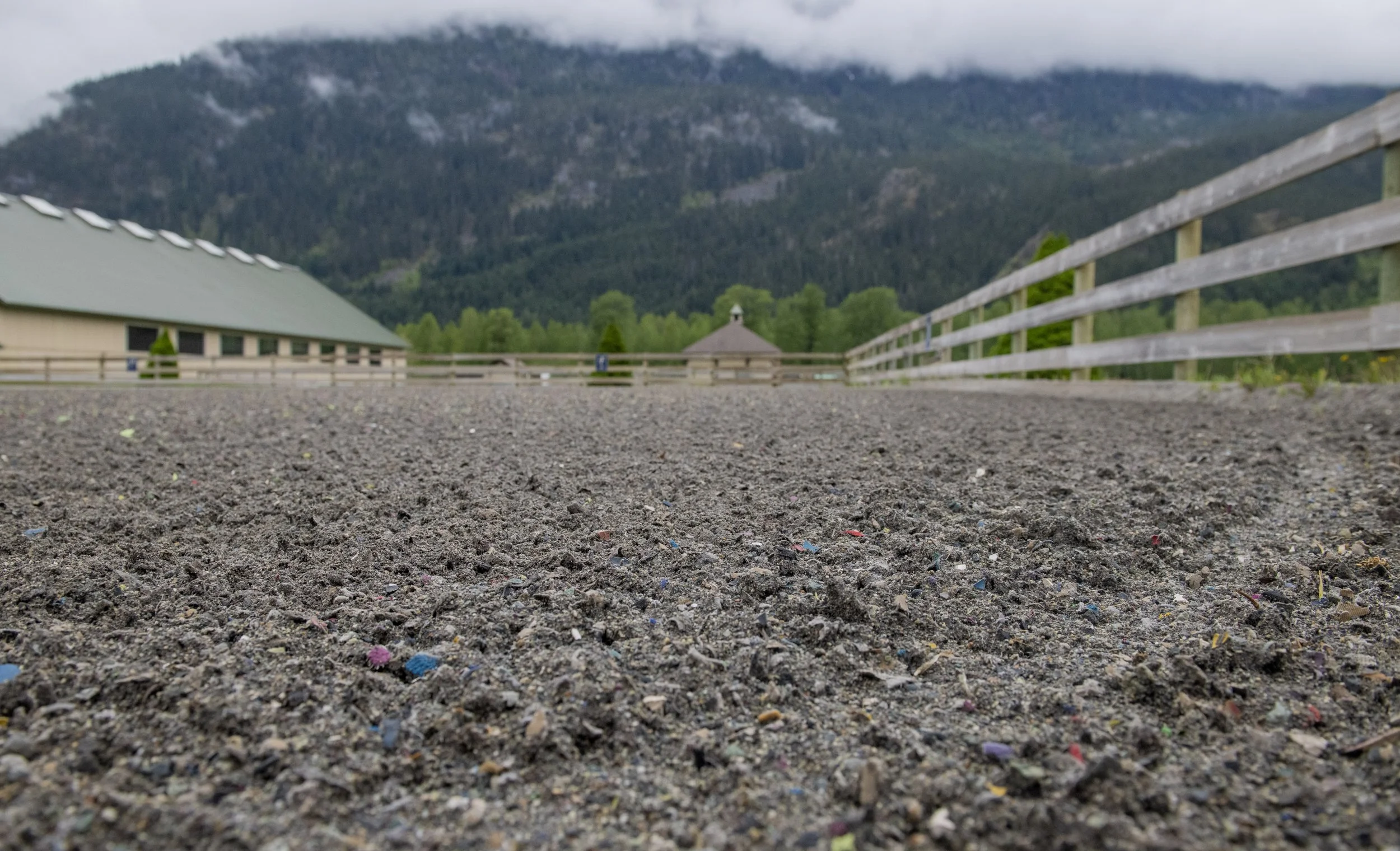
Arena Sand 101: Washed vs. Unwashed Sand for Equestrian Footing
When building or maintaining an equestrian arena, the type of arena sand you choose directly impacts arena footing performance, safety, and long-term maintenance. Whether you are working with an indoor arena or an outdoor arena, understanding the difference between washed and unwashed sand is essential.
Although these two types of sand can look similar, they behave very differently under hoof and significantly influence equestrian footing quality, dust control, and stability.
What Is Washed Arena Sand?
Washed sand is processed using water to remove fine particles such as dust, silt, and clay. This results in a cleaner, more uniform material with a consistent grain size, making it a common choice for high-performance arena footing.
Benefits of Washed Sand for Arena Footing
Reduced Dust in Indoor and Outdoor Arenas
With fine particles removed, washed arena sand produces significantly less airborne dust. This is especially important for indoor arenas or equestrian facilities in dry climates.
Consistent Equestrian Footing Performance
Because it is free of excess fines, washed sand delivers more predictable and consistent arena footing, helping maintain performance across the riding surface.
Drawbacks of Washed Sand
May Require Footing Additives
Washed sand lacks natural binding properties, so it may require additives such as fiber, rubber (Reiten Right), or wax coatings to maintain cohesion and prevent shifting in the arena footing.
Moisture Dependency
Clean arena sand can become loose when dry, meaning proper watering is often necessary to maintain ideal equestrian footing conditions.
What Is Unwashed Arena Sand?
Unwashed sand retains natural fine particles, including clay, dust, and silt. This type of sand typically has more angular grains, which can influence how the arena footing performs.
Benefits of Unwashed Sand for Equestrian Arenas
Natural Stability and Binding
The presence of fines helps bind the sand together, creating a more compact and stable arena footing without necessarily requiring additives. The angular particles also contribute to natural stability.
Better Moisture Retention in Outdoor Arenas
Unwashed arena sand holds moisture more effectively, reducing how often you need to water your outdoor arena footing.
Drawbacks of Unwashed Sand
Higher Dust Levels
Fine particles can become airborne, increasing dust, especially in dry conditions or high-traffic equestrian arenas. This can be a concern for both indoor arenas and outdoor facilities.
Potential for Compaction
Over time, fines can shift or break down, causing the arena footing to pack in certain areas. This may require more frequent dragging to maintain quality. Rubber additives can help relieve this compaction issue.
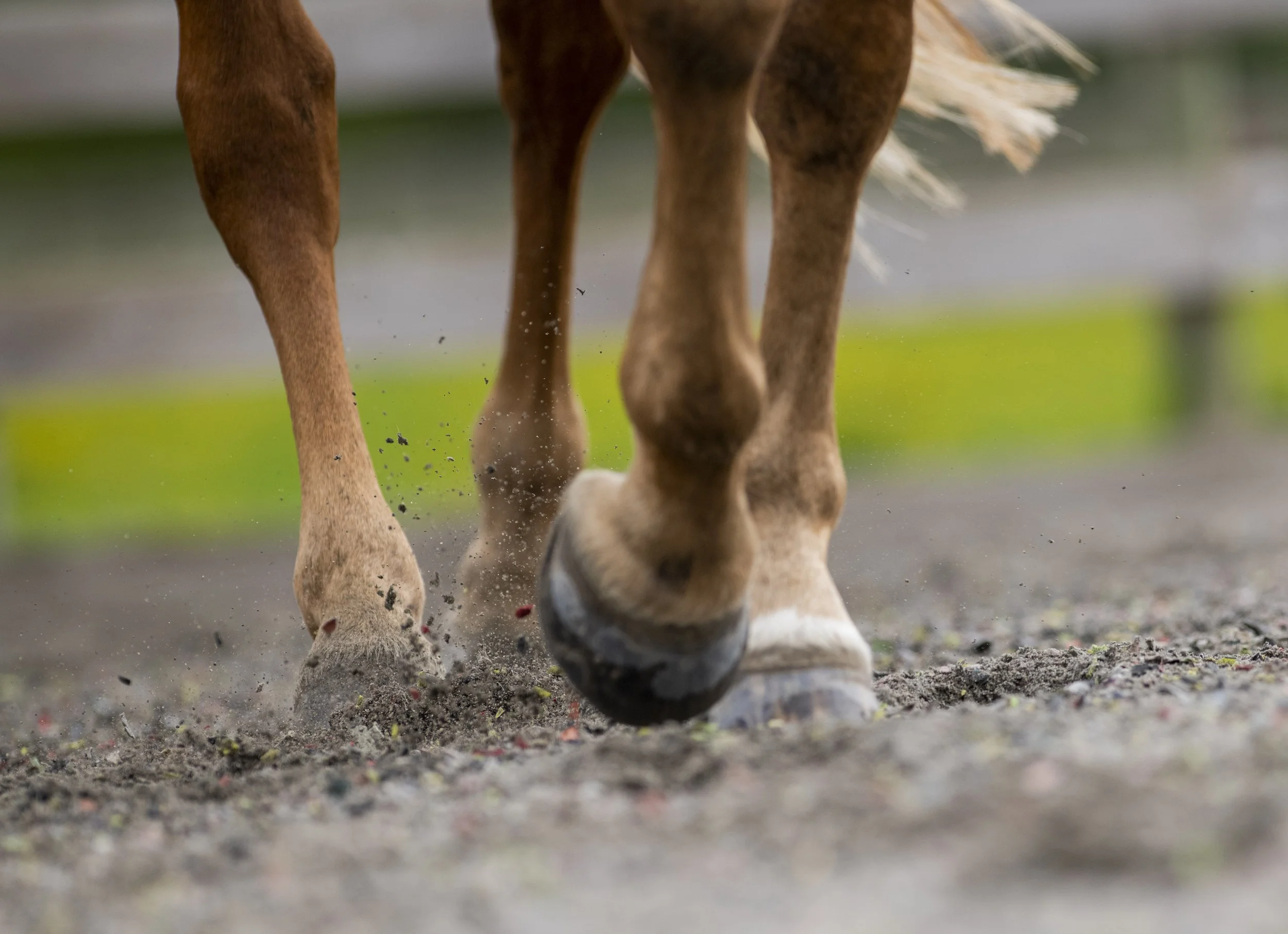
Dust Control in Arena Footing
Dust is a major factor in both indoor and outdoor arena design and maintenance, impacting horse and rider comfort.
Washed arena sand: Lower dust levels, especially when paired with proper watering or footing additives
Unwashed arena sand: Higher dust potential due to retained fine particles, which may increase over time
For indoor arena footing, washed sand or additional dust control measures are often preferred.
Stability and Performance of Arena Sand
The performance of equestrian footing depends heavily on sand type and maintenance:
Washed sand: Offers consistent, predictable footing when properly engineered, watered, and maintained
Unwashed sand: Provides natural stability and is useful for arenas without permanent watering systems or where water access is limited
Disciplines such as dressage and jumping often benefit from controlled and consistent arena footing performance.
Maintenance Requirements for Arena Footing
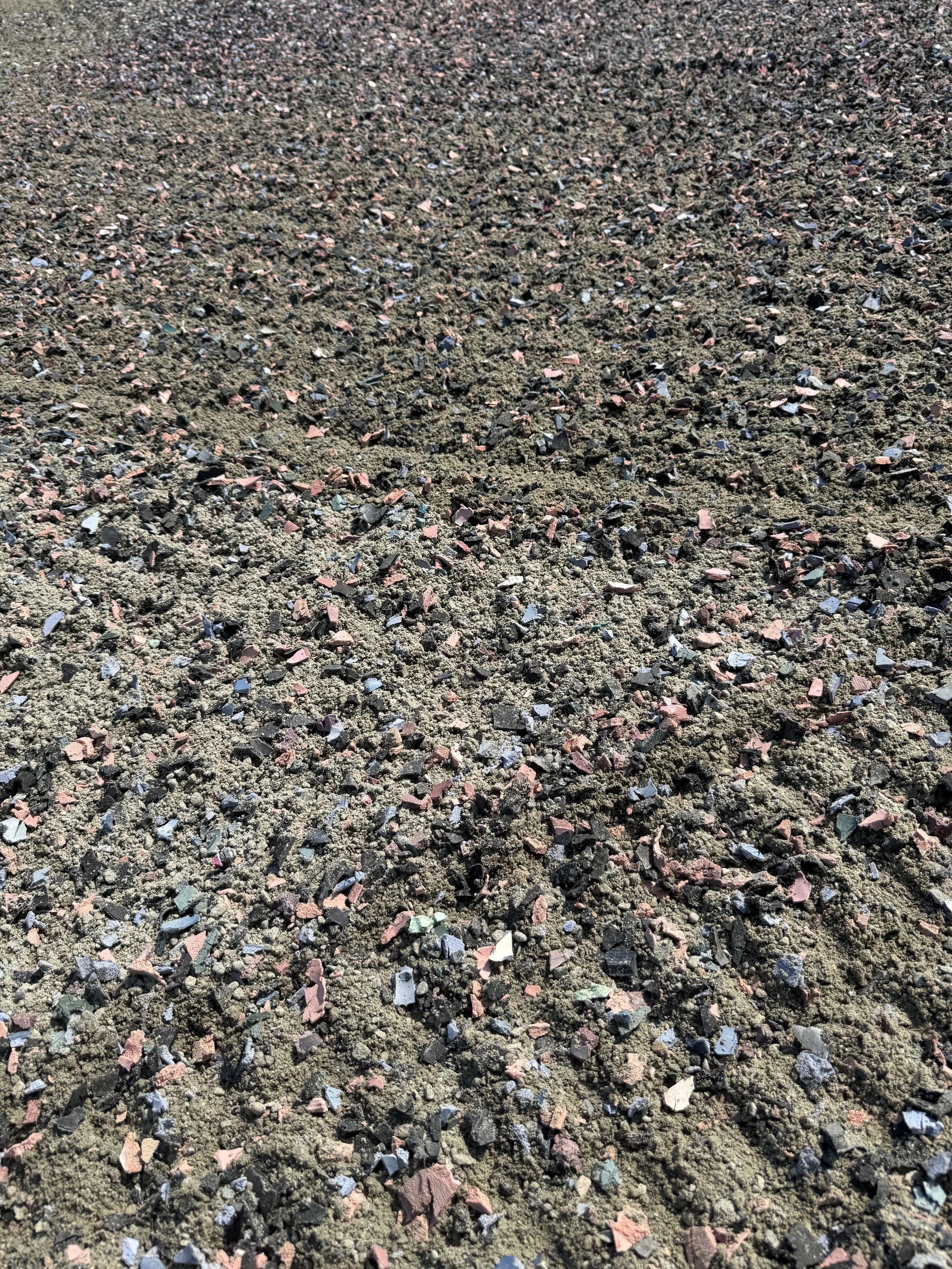
Washed Sand Maintenance
Can become loose or shifty
Requires moisture management in indoor and outdoor arenas
May need additives for stability
Produces less dust
Unwashed Sand Maintenance
Often requires more frequent dragging
May need dust suppression strategies
Can compact and require loosening over time - rubber additives like ReitenRight can help relieve this type of issue
Choosing the Right Arena Sand
The best arena sand and footing solution depends on your facility, usage, and maintenance capabilities:
Choose washed sand if you want clean, consistent equestrian footing with minimal dust and are prepared to manage stability with watering and additives
Choose unwashed sand if you need natural stability, have limited access to water, and can manage higher dust levels and potential packing over time
Final Thoughts on Equestrian Footing
Selecting the right arena sand for your indoor arena or outdoor arena is a long-term investment in horse safety and performance. The effectiveness of your arena footing depends not only on the sand type but also on installation, maintenance, climate, and usage.
Well-designed and properly maintained equestrian footing ensures optimal performance and supports the longevity of your arena.