
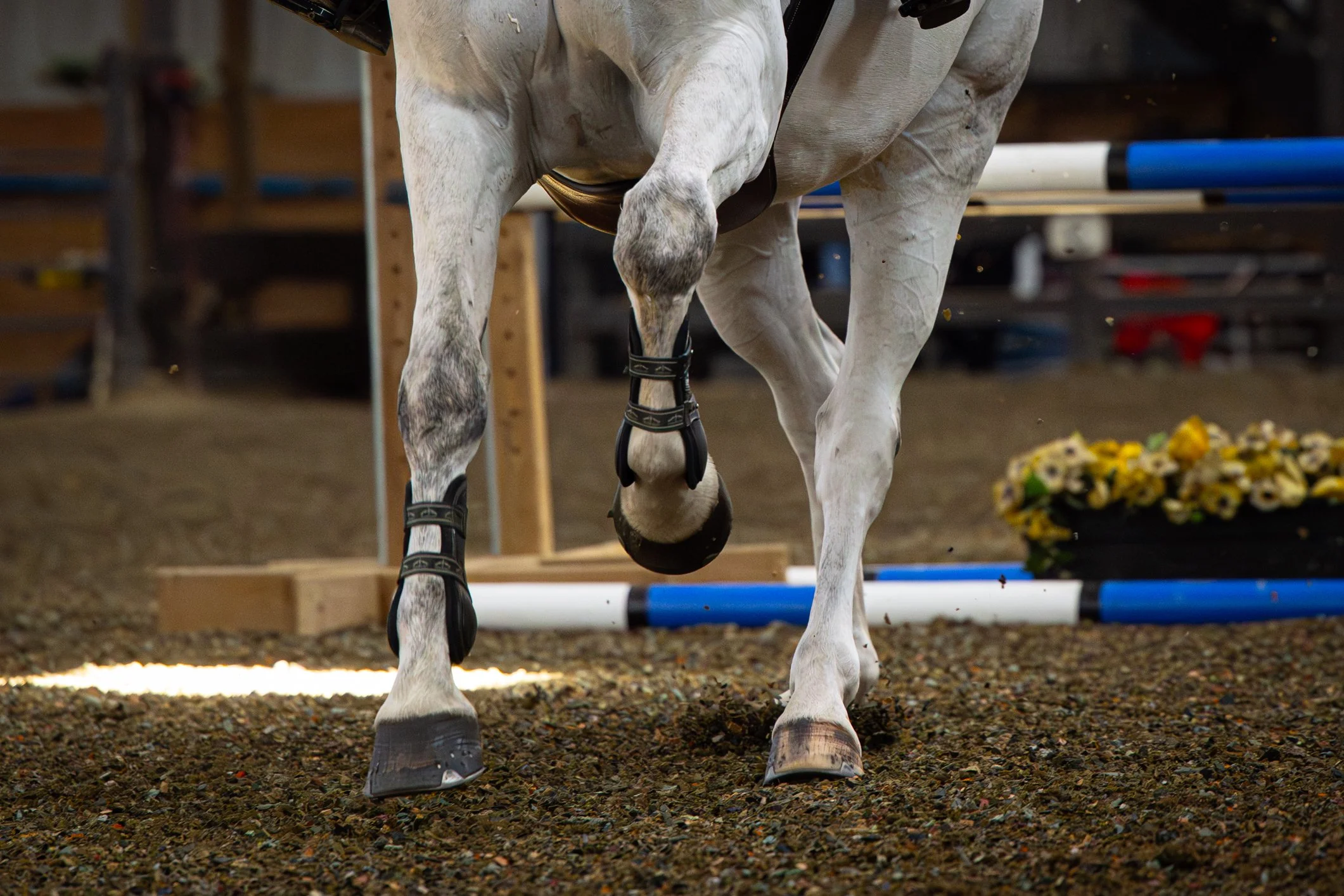
The sand in your arena is one of the most important decisions you make when it comes to footing performance, longevity, and horse soundness. Your sand is the foundation of the arena surface and understanding your sand composition and how different elements like climate, drainage and maintenance play a critical role to creating and maintaining a safe, high-performance surface.
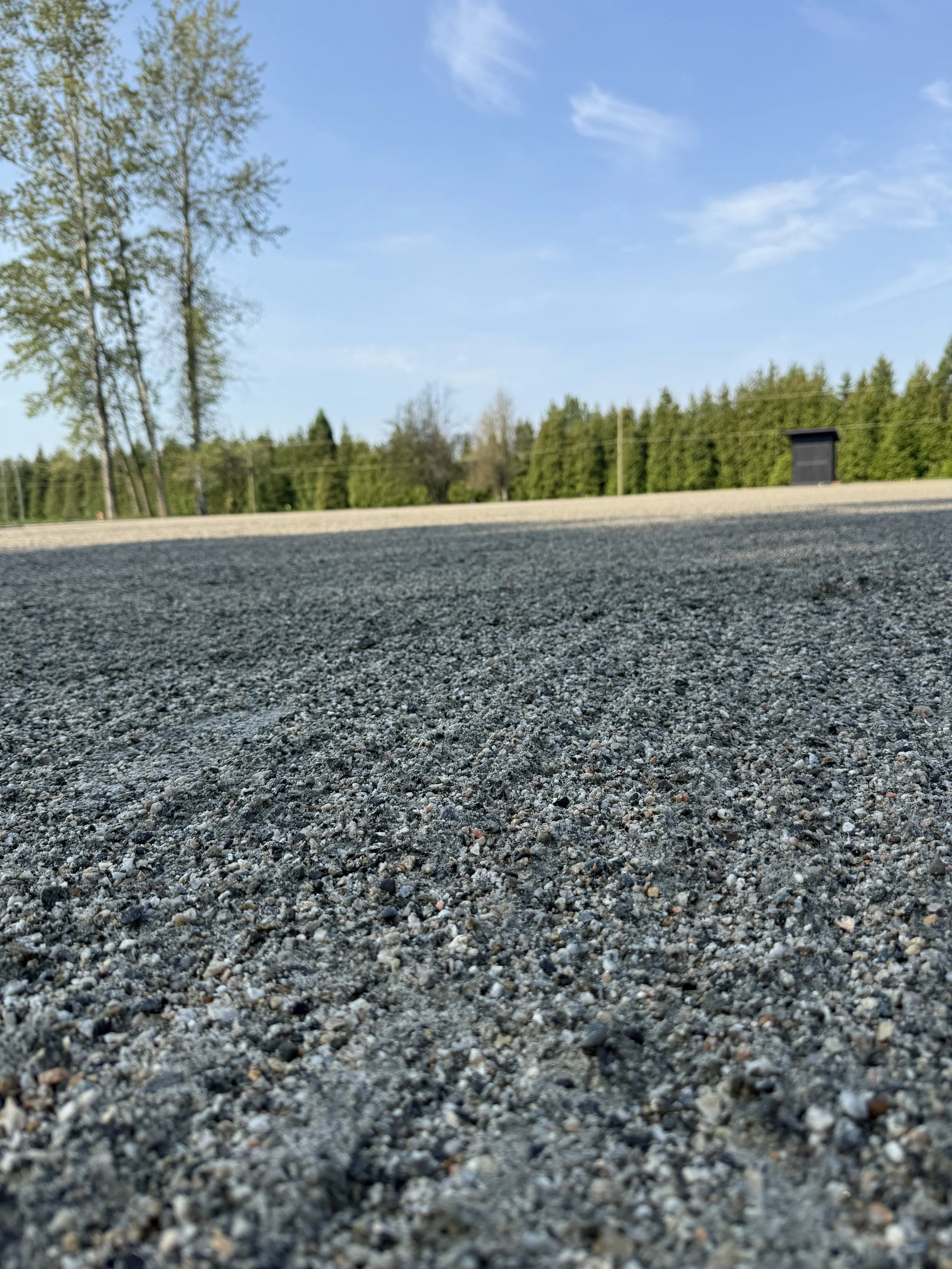
Arena footing issues such as dust, compaction, poor drainage, or inconsistent ride quality are often traced back to the sand itself. When these problems occur it’s helpful to get an arena footing sand analysis to review your current sand and what changes and adjustments can be made to correct these concerns.
How Sand Composition Affects Arena Footing
Sand performance is influenced by three key characteristics: particle size distribution, angularity, and sphericity.
Particle Size (Gradation): Well-graded sand provides stability while maintaining air space for drainage and cushion. Sands that are too fine can create more dust and feel unstable dust, while overly coarse sands can feel compact and be unforgiving. It’s important to have a good gradation of these particles.
Angularity & Sphericity: Angular particles improve traction and grip, combined with low sphericity will stabilize your riding surface. High sphericities combined with rounded particles can often create a loose and unstable surface. The best arena sand balances these properties to support responsiveness without excessive firmness.
Together, these factors determine how your footing handles cushion, traction, dust control, drainage, and energy return.
Sand Behavior in Different Climates
Climate plays a major role in how arena sand performs over time.
Dry climates may struggle with dust and moisture loss.
Cold climates can experience compaction and freezing if sand retains excess water.
Wet or humid regions require sands that drain efficiently to prevent puddling and hard spots.
Understanding how your climate and arena location effects your sand performance helps guide both material selection and maintenance practices.
Drainage: A Critical Part of Arena Performance
Proper drainage keeps your footing consistent and rideable. Poor drainage can lead to footing issues with:
Standing water and puddles
Dust as the surface dries unevenly
Rapid compaction and uneven depth
Drainage is influenced by sand gradation, base construction, and overall arena design, making it a key focus of any arena footing sand evaluation.
Maintenance for Long-Term Footing Performance
Even the best arena sand requires curated scheduled care. A structured maintenance plan including grooming schedules, watering practices, and periodic leveling and assessments and investments in grooming tools, protects your investment and extends footing life.
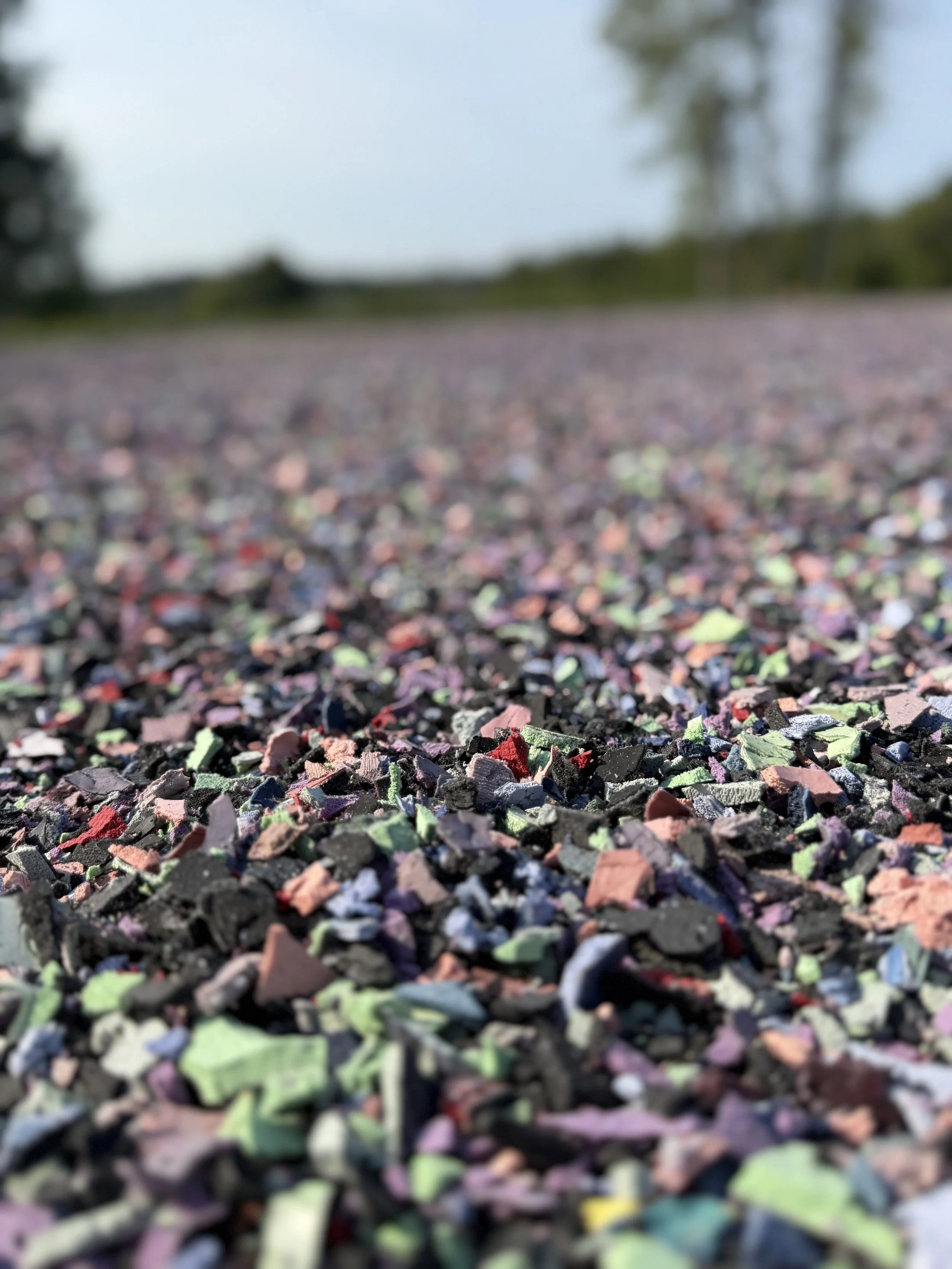
Over time, many arena owners choose to enhance performance with footing additives, which can help improve cushion, moisture retention, and resistance to compaction when paired with the right sand.
Footing Guide Tools
🔍 Sand Analysis
A professional sand analysis evaluates particle size, shape, and performance characteristics to determine if your footing is optimized or if changes could improve ride quality and reduce maintenance.
📘 Sand Selection Guides
Educational sand guides help arena owners understand how different sands perform and what to look for when sourcing or upgrading footing materials.
➕ Footing Additives
When used correctly, additives can enhance sand performance by improving cushion, moisture retention, and longevity, especially in high-use arenas. Additives, as like sand, also require maintenance and top-ups and different additives require different levels of maintenance.
The best sand for equestrian arenas isn’t one-size-fits-all. Performance depends on sand composition, climate, drainage, and ongoing maintenance. Investing in proper sand selection and understanding how these elements support long-term results can help you achieve lower long term maintenance costs and support soundness.